CHESTNUT | 1912
in collaboration with Colby Lamson-Gordon
4,000,000,000 chestnut trees killed and counting. What did the woods sound like before the blight of the chestnuts?
The great American Chestnut hugged the Eastern edges of a founding nation. The cities became their graveyards as their fruit, their bark, their branches were seized from the forest and paved over for urban sprawl.
In their unquenchable thirst for the exotic and new, settlers imported racy Chinese Chestnuts. These plant enthusiasts did not know that Chinese Chestnuts experienced a particular blight and, more importantly, that the species developed an immunity to the disease. When the Chinese Chestnut was imported to America, the blight was accidentally introduced along with the species. The American Chestnut population had no previous encounter with the Chinese Chestnut blight, and the trees had no opportunity to develop immunity. The blight ravaged the American Chestnut population, killing off trees before saplings could become young trees. In this way, importers unintentionally committed a genocide of the American chestnut trees.
There have been countless efforts to save the chestnut saplings and to introduce an American hybrid that would survive the Asian invasion. The Dutch government gifted four American Chestnuts to Governors Island. They live in a lonely grove in a solemn abandoned military courtyard. Only three remain. It’s rumored that the fourth was killed when a visitor chained their bicycle to the trunk, piercing its side, enabling disease to enter.
——
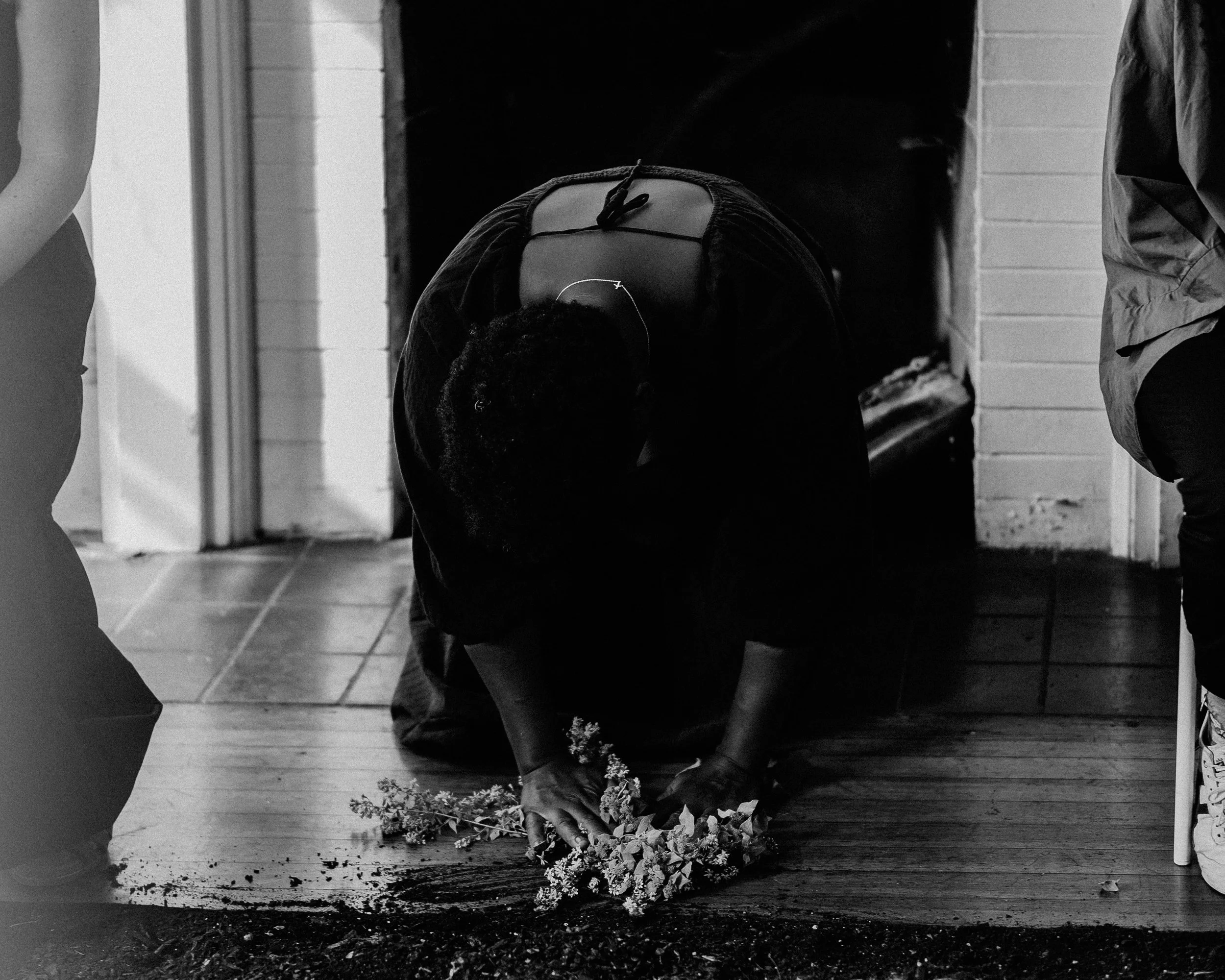
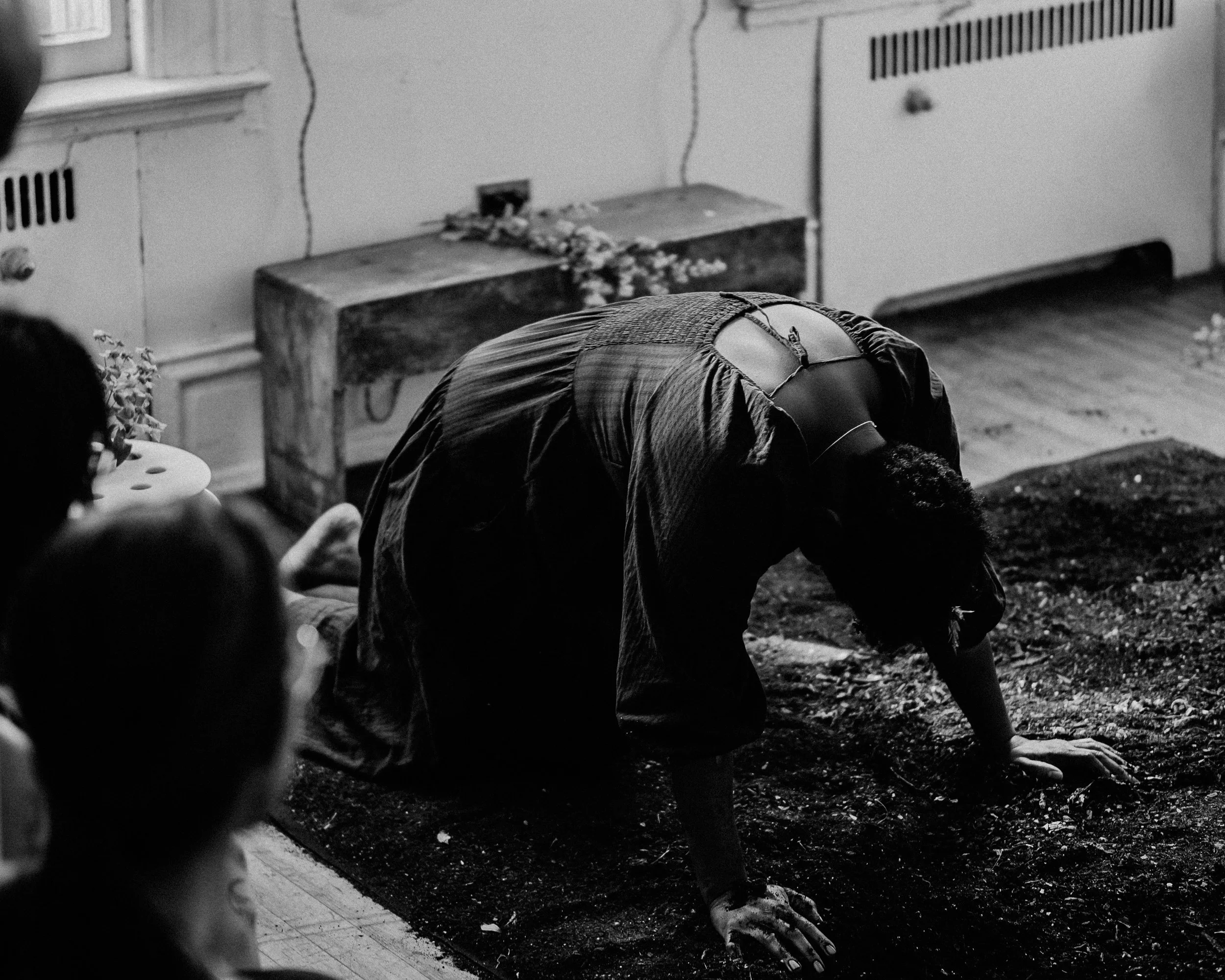
CHESTNUT channels the noise of unpeopled woods through sonic projections from the body. CHESTNUT references the 1912 Plant Quarantine Act, the policy response to American importation of live plants and organic material. It invites participants to recognize that they are seated on the burial ground of generations of trees.
Curated by Davina Bisaria and Yuna Cabon
Images by Duane Garay
Video by Cliff Gabriel Available Upon Request